
Bicycle Laws in Utah
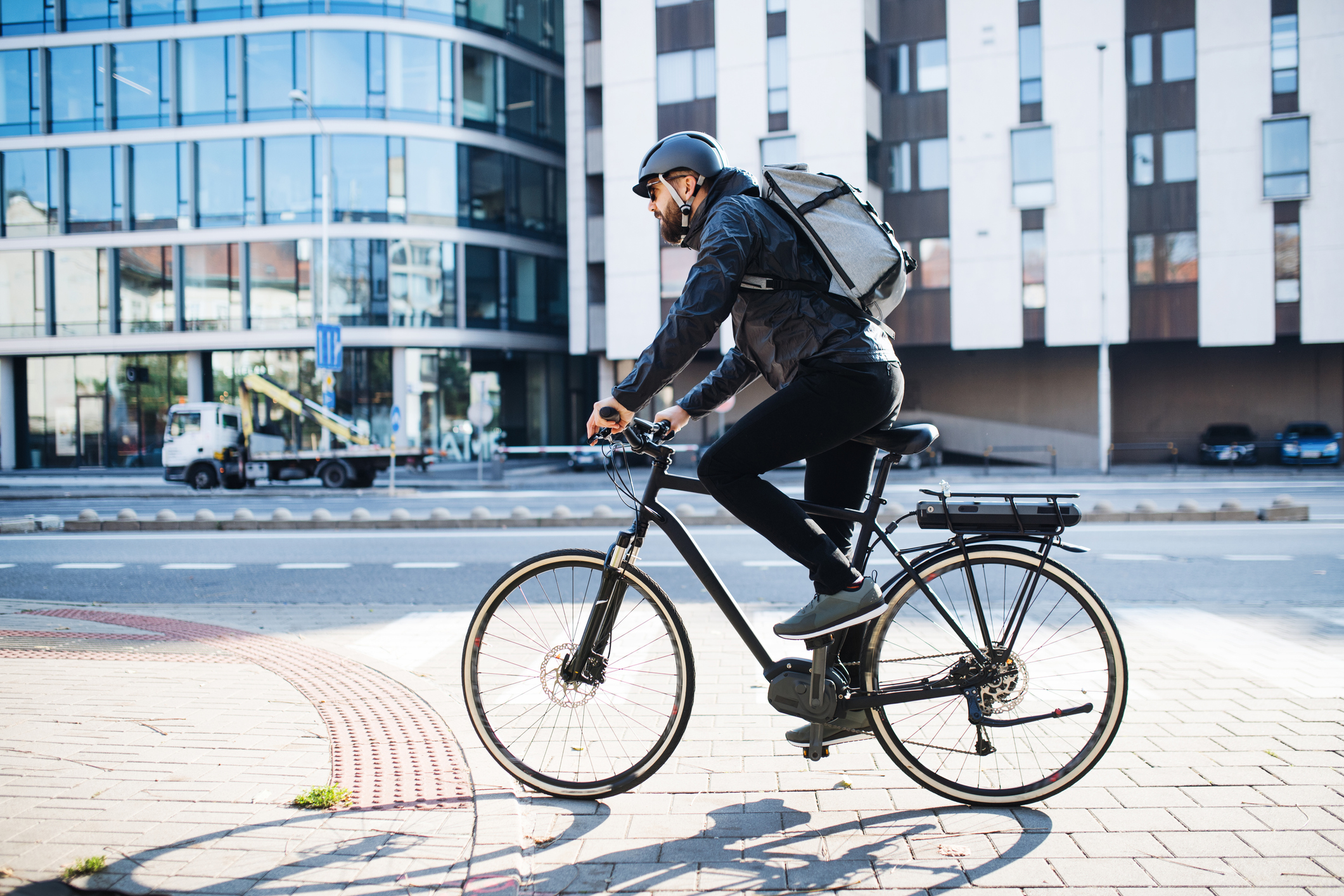
In Utah, bicycles are considered vehicles, not simply sports equipment. So when someone’s riding a bike on the road, they’re expected to follow the same rules as a car, and just like drivers, riders have rights. This matters if there’s ever a crash because liability often depends on who broke the rules.
Sometimes, applying this principle is straightforward. For example, cyclists have to stop at stop signs, signal when making a turn, and ride in the same direction as traffic. On multi-lane roads, riders should stay on the right-hand side unless they’re passing or avoiding hazards.
But there are also legal complexities unique to bicycles to consider. For cyclists understanding the basics of these laws is crucial.
Drivers Owe Bicycle Riders a Duty of Care
Most bicycle accidents involve a car. Fault often boils down to whether the driver was paying attention or following traffic laws. State law requires drivers to give cyclists at least three feet of space when passing them. If a driver cuts too close and causes a crash, they can be held liable for the rider’s financial losses.
Opening a car door without checking for a bike is another common cause of injury to riders. It’s called “dooring,” and it can launch a rider into traffic. Drivers need to check their mirrors and blind spots before opening their door. If they don’t, they can be considered negligent.
Sidewalks and Crosswalks Are a Gray Area For Bicycle Riders
Riders need to give way to pedestrians and give a warning, like calling out or using a bell, before passing them. Even though it’s legal, riding on the sidewalk can be risky, especially when bikes cross the street.
When a cyclist uses a crosswalk, things get more complicated. If the cyclist hops off and walks their bike across, they have the same rights as a pedestrian. If they ride through, they still have rights, but drivers might not see them coming, and that can affect fault in an accident. It doesn’t mean the driver is off the hook, but cases like this do usually need more investigation.
Helmets Aren’t Legally Required, but They Matter in Court
Utah doesn’t have a statewide helmet law for cyclists, so adults don’t technically have to wear one. But in a personal injury claim, the lack of a helmet can be a problem. Insurance companies frequently argue that a rider’s injuries wouldn’t have been as serious if they’d had one on. This kind of argument takes advantage of the “comparative negligence” rule.
Under that law, if a rider is partly to blame for their injuries, their compensation can be reduced. Should they be found 50% or more responsible, they might not receive anything at all. Whether a helmet was worn or not, the main issue is usually how the accident happened and who broke what laws.
What if the Cyclist Is a Child?
It’s common to see children on bikes around the city. State law doesn’t change much for minors, but courts might consider their age when deciding fault, namely that they might not be expected to follow road laws as strictly as an adult.
Drivers must watch for children, and if they don’t slow down or use caution, they can be held more liable if they cause a crash. Even if the child made a mistake, courts tend to put more responsibility on the adult behind the wheel.
Understanding Bicycle Law Builds Stronger Legal Cases
Utah’s bike laws are the foundation for how fault and liability are decided in an accident within the state. Knowing what counts as legal or illegal behavior can give injured cyclists a clearer path as they pursue compensation for their losses.