
Driving in Atlanta, GA – What You Need to Know
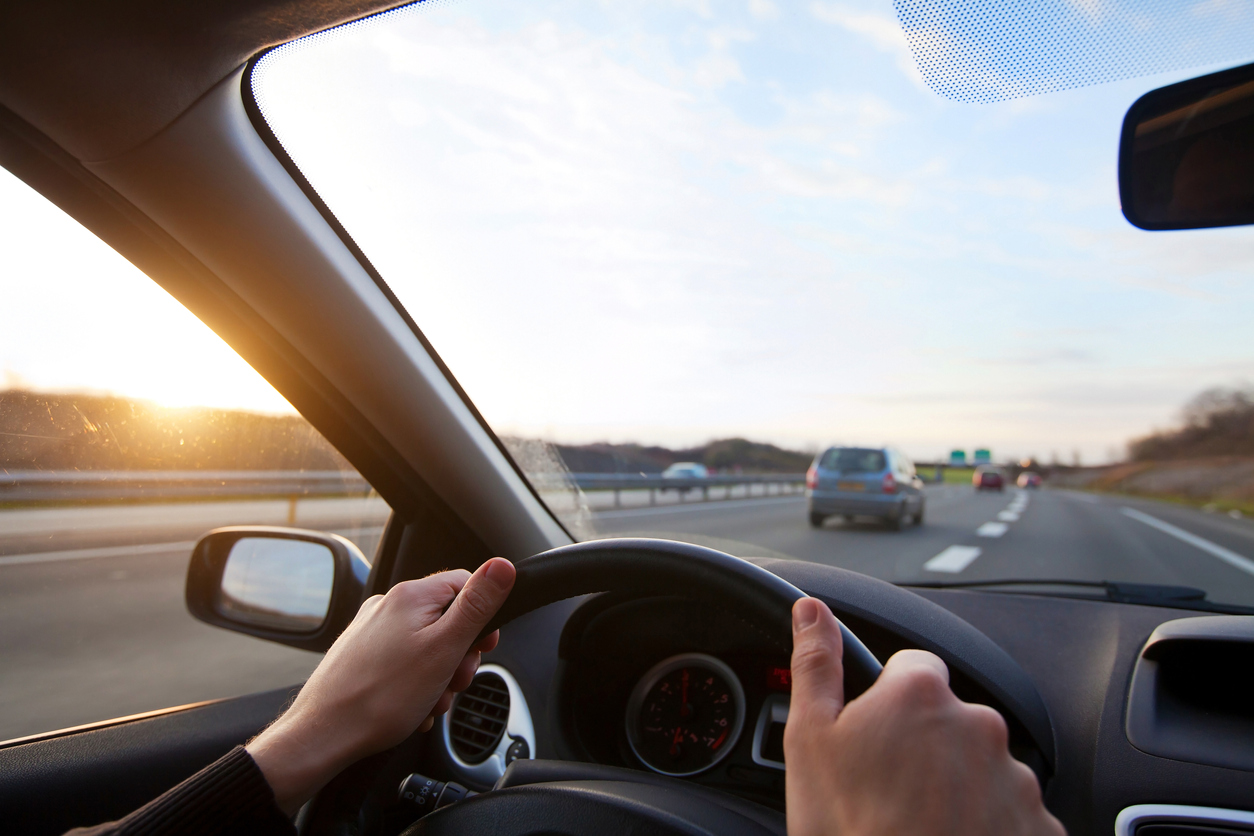
Atlanta is one of the busiest cities in the Southeast, and driving here can be an adjustment, whether you are a longtime resident, a new driver, or just passing through. Heavy traffic, multiple interstate highways, ongoing construction, and unpredictable weather can all make getting around more challenging.
Understanding Atlanta’s roadways, traffic patterns, and driving laws can help you stay safe and reduce your chances of being involved in a collision.
Expect Traffic Almost Any Time of Day
Atlanta is well known for traffic congestion. Although mornings and evenings are typically the busiest times, delays can occur throughout the day because of crashes, road construction, sporting events, concerts, and airport traffic.
Some of the area’s busiest roadways include:
- Interstate 75 (I-75)
- Interstate 85 (I-85)
- Interstate 20 (I-20)
- Interstate 285 (The Perimeter)
- Georgia State Route 400 (GA-400)
- The Downtown Connector
Before leaving, it is a good idea to check traffic conditions and allow extra travel time, especially if you are heading downtown or traveling to Hartsfield-Jackson Atlanta International Airport.
Practice Defensive Driving
With so many vehicles on the road, drivers should expect changing traffic conditions and be prepared to react safely.
Common driving behaviors seen in congested traffic include:
- Sudden lane changes
- Following too closely
- Speeding
- Running yellow or red lights
- Failing to yield
- Distracted driving
Giving yourself plenty of following distance, checking your blind spots, and avoiding distractions can help reduce your risk of an accident.
Construction Zones Are Common
Road improvement projects are a regular part of driving in the Atlanta metro area. Construction zones may include narrowed lanes, lane shifts, reduced speed limits, and unexpected traffic backups.
When driving through work zones:
- Slow down and obey posted speed limits.
- Watch for changing traffic patterns.
- Merge early when lanes end.
- Stay alert for road workers and equipment.
- Avoid using your phone while driving.
Construction areas can change from day to day, so it is important to pay attention to signs and temporary lane markings.
Know Georgia’s Hands-Free Law
Georgia’s Hands-Free Act makes it illegal for drivers to hold or support a cellphone while operating a vehicle.
Although hands-free technology is generally allowed, drivers cannot:
- Hold a phone while talking
- Text while driving
- Watch videos
- Browse the internet behind the wheel
Keeping your focus on driving helps protect you, your passengers, and everyone else sharing the road.
Prepare for Changing Weather
Atlanta experiences a variety of weather conditions throughout the year. Heavy rain, thunderstorms, fog, and occasional winter ice can all affect driving conditions.
When the weather changes:
- Reduce your speed.
- Increase your following distance.
- Turn on your headlights when visibility is poor.
- Avoid sudden braking or sharp steering movements on wet roads.
Even a short rain shower can make road surfaces slick, particularly after a long dry period.
Understand Georgia’s Insurance Requirements
Georgia law requires drivers to carry minimum amounts of liability insurance. These requirements are designed to provide financial protection if a driver causes an accident.
Even with insurance coverage, it is important to drive carefully. Medical expenses, vehicle repairs, and other costs from a serious crash can quickly exceed minimum policy limits.
Keeping proof of insurance in your vehicle and reviewing your coverage periodically can help ensure you are prepared if an accident occurs.
What to Do After a Car Accident
Even careful drivers can be involved in a crash. Knowing what to do afterward can make the situation easier to manage.
If you are involved in an accident:
- Check for injuries and call 911 if emergency assistance is needed.
- Move vehicles to a safe location if possible.
- Exchange contact and insurance information with the other driver.
- Take photographs of the vehicles, roadway, and surrounding area.
- Collect contact information from any witnesses.
- Seek medical attention if you have been injured or begin experiencing symptoms later.
- Report the accident to your insurance company.
Staying calm and documenting the scene can help simplify the insurance claims process.
Drive Smart and Stay Safe
Driving in Atlanta requires patience, awareness, and preparation. Congested highways, construction zones, changing weather, and distracted drivers all contribute to the challenges of navigating the city safely.
Planning your route, allowing extra travel time, following Georgia traffic laws, and practicing defensive driving can go a long way toward reducing your risk of an accident. While no one can control the actions of other drivers, making safe decisions behind the wheel can help protect you and everyone else on Atlanta’s roads.