
The Dangers of Dallas’s Rush Hour: How to Stay Safe During Peak Traffic
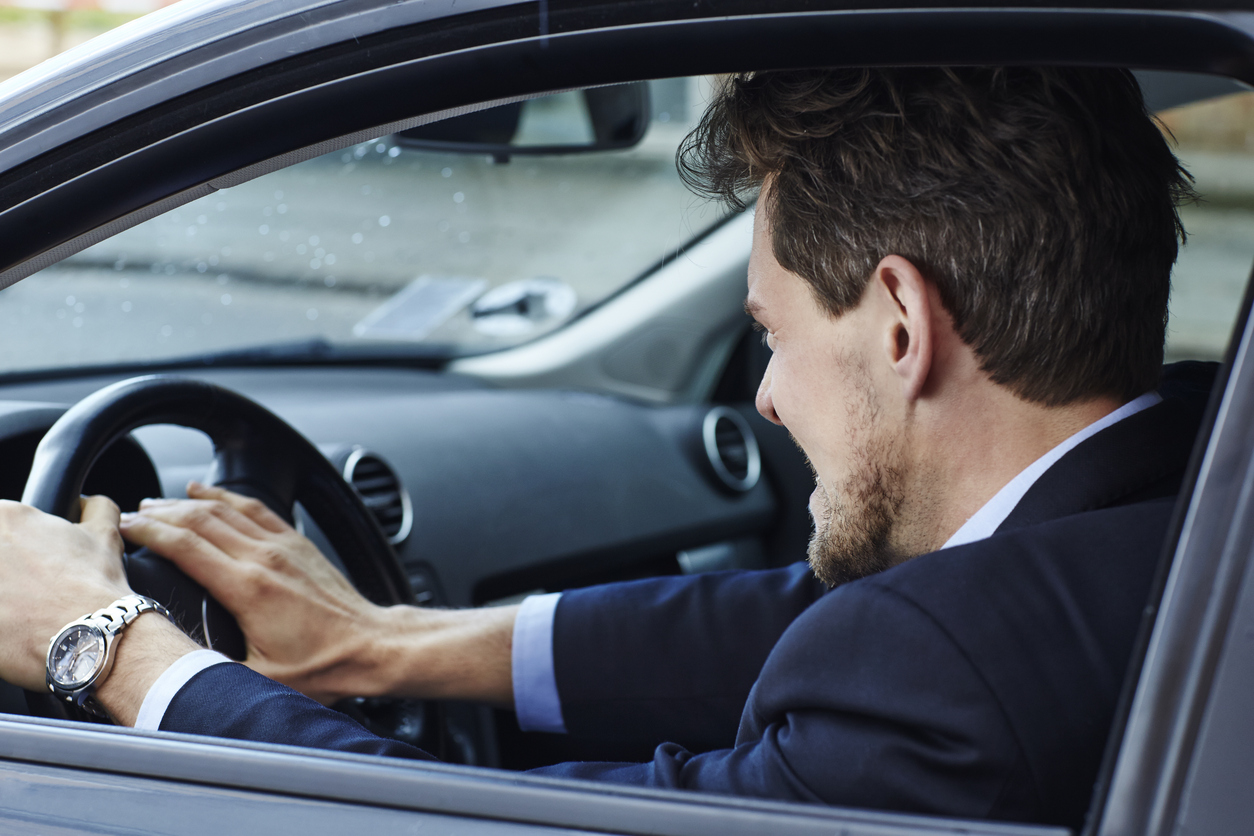
It isn’t quite the Wild West, but as any Dallas driver knows, traffic is no joke. When you’re bumper to bumper, you might wish the drivers in front of you would get along a bit faster.
Big cities almost always have it worse. Universally, anytime there are more cars on the road and driver patience wears thin, you have an increased risk of accidents.
However, understanding the potential dangers you might face on the road — and mentally preparing for them — can help preserve your safety and peace of mind as you tangle with that tough commute home.
When Is It the Hardest to Get Where You’re Going in Dallas?
Given that it’s one of the biggest cities, it’s no surprise that Dallas is consistently one of the worst offenders for bad traffic in the U.S. Dallas-Fort Worth drivers spend about 23 hours a year stuck in traffic, with long commutes tacking on significant chunks of time to the average workday.
Peak hours are the typical rush hours, weekdays from 7:00 a.m. to 9:30 a.m. and again from 3:00 p.m. to 6:30 p.m. Of course, more cars on the road during these times, coupled with typically more impatience to get to work or home, mean you’re more liable to encounter a traffic accident.
The Impact of Distracted Driving on Dallas Traffic
Rush hour also brings out the worst in some people. The frustration or boredom of sitting in traffic can lead drivers to engage in risky behaviors, like texting, eating, or adjusting their radios or navigation systems.
Of course, it’s illegal to text and drive in Texas, as in many states, because of how dangerous it is. But that doesn’t stop some people from getting lulled into a false sense of security when traffic is stalled, thinking they have a moment to shift their focus, which, in turn, makes them unready to react if needed.
Distracted driving isn’t the only problem. Bad slowdowns also bring out the inner beast in some drivers, promoting aggressive behaviors like speeding or tailgating.
How Weather Impacts Dallas Traffic
There’s also the trickiness of Texas weather, adding another potential hazard into the mix. As any DFW resident or regular knows, Texas weather can turn on a dime. Sudden downpours drastically change road conditions, demanding both slower speeds and greater following distances immediately, though not everyone may be keen to comply.
And no matter the cause, accidents are always higher-risk situations when they’re situated in heavy traffic, because it’s much more difficult for emergency responders to get to the scene in a timely manner.
Keeping Yourself Safe No Matter How Congested the Roads Are
Your commute might feel like a rodeo at times. But rather than looking at it as a wild, crazy, uncontrollable arena where anything might happen, make sure you’re calm, focused, and prepared to take on the challenges ahead.
You can’t magically clear the LBJ or Central Expressway, but you absolutely can fortify your own approach to getting where you’re going safely. Basic defensive driving can go a long way toward achieving that.
They may sound like no-brainers, but things like planning your drive ahead of time in a way that considers present traffic conditions, maintaining a safe following distance between yourself and other drivers (the “three-second” rule is a good way to go), signaling your intentions clearly, and avoiding sudden moves can make all the difference.
And don’t forget to keep your eyes on the road — there’s no substitute for a steady focus and quick reaction time when the unexpected hits.